
Brooklyn Raised Veggie Garden Installation
Brooklyn Lawn Mowing Services specializes in Brooklyn raised veggie garden installation, providing sustainable raised garden solutions for urban gardening. Our team supports backyard and rooftop gardens with expert design, soil management, and maintenance in Brooklyn.
Call Now!
Planning Your Brooklyn Raised Veggie Garden
What factors should I consider when choosing the location?
Choosing the right location is key for a successful Brooklyn raised veggie garden. Whether you have a backyard, rooftop, or a small yard in an urban garden, several things affect how well your vegetable garden will grow.
- Sunlight Exposure: Most vegetables need 6 to 8 hours of direct sunlight each day. Find open spaces without shade from buildings, trees, or neighbours.
- Soil and Landscape: Even though raised gardens let you control soil quality, check the overall landscape and drainage of your property. Good water drainage stops root rot and keeps plants healthy.
- Space and Size: Look at the space available in your Brooklyn urban garden or backyard. Raised garden beds come in different sizes, so pick a spot that fits the size of your garden and allows easy access.
- Climate and Weather: Brooklyn’s weather changes with the seasons. Protect your raised veggie garden from extreme weather to keep plants growing well.
- Access and Convenience: Place your garden close to your home so watering, care, and harvesting are easy.
- Privacy and Security: Choose a spot that gives some privacy. This reduces disturbances from neighbours and allows fresh air to circulate.
- Community Gardens and Rooftops: If you do not have much outdoor space, consider joining a community garden or using a green roof for an eco-friendly Brooklyn urban garden.
Thinking about these factors will help you create a strong garden that suits your lifestyle and the environment.
How do I determine the ideal size and layout?
When planning the size and layout of your Brooklyn raised veggie garden, you need to balance the space you have with how easy it is to use.
- Assess Available Space: Measure your backyard, rooftop, or garden plot carefully. Raised garden beds can be made to fit different shapes and sizes.
- Garden Design and Organisation: Use simple landscaping ideas to make your garden easy to get around and look good. Add paths or walkways between beds for easy movement.
- Maximise Efficiency: Choose layouts that give you as much planting space as possible but still leave room to care for your plants. Rectangular or square beds with clear sections work well.
- Accessibility: Make sure beds are at a comfortable height to avoid bending too much when planting or picking vegetables.
- Community Considerations: If you share the space with neighbours, like in a townhouse, talk to them first. This helps avoid problems and makes sharing easier.
- Infrastructure Needs: Plan how you will install the garden, including preparing the base, adding irrigation, and managing pests.
- Customisation: Adjust the shape and setup to fit your unique space, like a small corner, large backyard, or rooftop.
Good planning of size and layout helps your Brooklyn raised veggie garden produce more and be easier to look after.
What type of soil is best, and how can I improve it?
Soil quality is very important for a healthy Brooklyn raised veggie garden. Raised garden beds give you control, so picking and caring for the right soil mix is important.
- Ideal Soil Composition: Use soil rich in nutrients that drains well. A mix of good compost, potting mix, and organic matter works well. This keeps moisture without flooding the roots.
- Composting: Add compost regularly to keep soil healthy and full of nutrients. Compost also improves soil structure.
- Mulching: Cover the soil with mulch to keep moisture, control temperature, and stop weeds. Organic mulches break down and add nutrients to the soil.
- pH and Nutrient Balance: The best soil pH for Brooklyn gardens is slightly acidic to neutral (6.0–7.0). Test your soil often and add lime or sulfur if you need to adjust the pH.
- Irrigation and Moisture Management: Use irrigation or wicking beds to keep soil moist without overwatering.
- Organic and Sustainable Practices: Avoid synthetic fertilizers and pesticides. Use natural fertilisers and pest control to keep your garden healthy.
- Soil Texture and Drainage: Make sure the soil is loose enough for roots to grow easily. Fix heavy clay or sandy soils to improve drainage and water retention.
Improving the soil in your Brooklyn raised garden helps plants grow stronger and gives you better harvests. For more help, ask local gardening experts or community groups about sustainable gardening in Brooklyn.
What kind of space do you have for your raised veggie garden? Share your thoughts or questions below, we want to hear about your Brooklyn urban gardening stories! For professional raised garden installation or landscaping in Brooklyn, contact experts who know the local conditions.
For advice suited to Brooklyn’s environment, always speak with qualified horticulturists or garden designers experienced in urban gardening and soil care.
Selecting the Right Materials for Your Raised Garden
What are the pros and cons of using wood, metal, or composite materials?
Choosing the right materials is very important when building a Brooklyn raised garden bed. You need something durable, eco-friendly, and that fits your budget. The most common options are timber, metal, and composite materials. Each has its good points and drawbacks.
Wood (Timber)
Wood is often chosen because it looks natural and is easy to build with.
- Pros:
- Affordable and easy to find
- Simple to work with during construction
- Keeps plant roots warm by insulating the soil
- Can be sustainable if the timber comes from certified forests
- Cons:
- Can rot or get damaged by insects unless treated
- Needs regular care like sealing or staining
- Untreated wood breaks down faster, which lowers its lifespan
Metal
Metal beds, made from steel or aluminium, offer a modern and strong option.
- Pros:
- Strong with good resistance to weather
- Lasts a long time and needs little upkeep
- Won’t rot or get attacked by pests
- Has a clean look that suits urban gardens
- Cons:
- More expensive than wood
- Can heat up in direct sun, which may affect soil temperature
- Good drainage is needed to prevent rust
Composite Materials
Composites combine recycled wood fibres and plastic. They aim to bring together the best features of both wood and plastic.
- Pros:
- Very durable and won’t rot
- Low maintenance, no painting or sealing needed
- Eco-friendly options exist using recycled materials
- Resists pests and weather damage
- Cons:
- Higher upfront cost
- May not look as natural as wood
- Limited colour choices
When making a choice, think about cost, how long it lasts, maintenance, and impact on the environment. This will help you find the best material for your raised bed garden installation.
How do I ensure the materials are safe for growing edible plants?
Material safety is very important for a raised garden where you grow vegetables or herbs. To keep your food safe and healthy, follow these tips:
- Use untreated wood or timber that is free from chemicals. Treated wood can have substances that might harm plants and people.
- Pick toxic-free and organic certified materials when you can, especially for home gardening or growing food in Brooklyn.
- Avoid painted or coated materials that could contain harmful chemicals.
- For metal, choose types that do not rust easily or release metals into the soil. Galvanized steel is usually safe but check the product details.
- Practice good soil management by testing soil for contaminants and using proper composting methods.
By choosing safe materials and following eco-friendly gardening habits, you support the growth of healthy edible plants.
What type of structural considerations should be kept in mind to have long lasting vegetable garden?
To build a strong and lasting raised garden installation, plan the structure carefully. Here are some key points:
- Durability and Weather Resistance: Use materials and building methods that stand up to local weather like rain, wind, and temperature changes. This helps your beds last longer.
- Stability and Structural Integrity: Strengthen corners and joints to stop warping or collapse. Fixing the bed well to the ground adds stability.
- Drainage and Soil Retention: Design beds with good drainage so water doesn’t pool but soil stays moist. This keeps plants healthy and protects the bed’s structure.
- Irrigation Systems: Add efficient watering like drip irrigation that fits the bed’s design. This supports steady watering and eco-friendly gardening.
- Landscape Architecture: Think about how the garden fits into your space. Make sure it is easy to reach and works well with other garden parts.
By planning these details, your vegetable garden will stay strong, work well, and produce food for many years. If you live in Brooklyn, working with experts in garden installation Brooklyn can help you get the best outcome.
Feel free to share your experiences with raised garden beds or ask questions about choosing the right materials below. Our team, with years of experience in sustainable gardening, is happy to help!
Installing Your Brooklyn Raised Veggie Garden
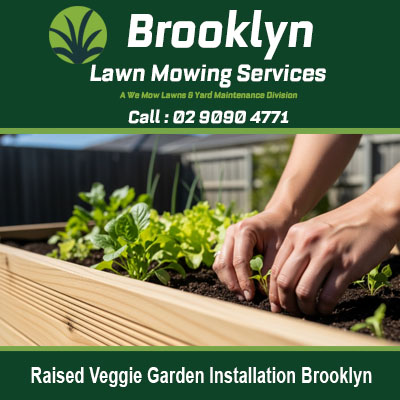
Creating a raised veggie garden in Brooklyn requires careful planning and proper installation to build a productive urban farming space. Whether you want to start a community garden or improve your backyard, a well-built raised bed is key to good soil management and efficient irrigation systems. Using eco-friendly materials like timber and mulch helps support sustainable gardening while improving soil health.
Raised garden installation in Brooklyn involves combining landscaping skills with strong infrastructure that can handle outdoor conditions. The process includes choosing the best location for your vegetable garden in Brooklyn, preparing the soil, building the raised beds, and fitting an irrigation system such as wicking beds to keep moisture steady. These steps help plants grow well and support the overall health of your garden.
What steps are involved in the building process?
Building a Brooklyn raised veggie garden follows clear steps to make sure it lasts and works well for urban farming.
- Planning and Preparation Check your garden area for sunlight, ease of access, and closeness to water. Select eco-friendly materials like untreated timber for the bed frames and organic mulch to help keep soil moist.
- Gathering Materials You will need timber, screws or nails, landscape fabric, quality soil, compost, and irrigation parts such as drip lines or wicking beds to save water.
- Foundation and Base Construction Clear away plants and debris to form a solid foundation. Level the ground so the raised bed sits evenly and stays stable.
- Assembly of Raised Beds Build the frame according to your plan. Secure corners tightly to endure weather and soil pressure. Fill the beds with soil mixed with compost to provide nutrients for vegetables.
- Installing Irrigation Systems Install an irrigation system that matches your garden’s needs. Wicking beds are a good choice because they deliver water directly to roots, saving water and supporting sustainable gardening.
- Finishing Touches Spread mulch around plants to stop weeds and keep the soil moist. Add landscaping features to protect and enhance your garden.
How do I prepare the ground and level the base?
Preparing the ground and leveling the base correctly are important parts of Brooklyn installation for a raised garden. This stage helps with drainage, stops weeds, and creates a strong base.
- Site Clearing: Remove grass, weeds, and debris to reduce pests and plant competition.
- Soil Management: Test the soil and mix in organic compost to improve fertility and texture.
- Base Layer: Add crushed stone or gravel to help drain water and avoid waterlogging.
- Leveling: Use a spirit level or a straight board to check the base is flat. This prevents soil moving and structural problems later.
- Drainage Considerations: Arrange the site so water flows away naturally from the bed.
These steps follow landscape design rules and help your raised veggie garden in Brooklyn last longer.
What drainage solutions are needed to have properly installed system?
Good drainage is very important for garden installation in Brooklyn, especially for raised beds and wicking beds used in urban farming.
- Preventing Waterlogging: Add a drainage layer with rocks or crushed stone at the bottom of the raised bed. This setup lets extra water drain away from roots.
- Soil Composition: Use soil that drains well but holds enough moisture, enriched with compost.
- Irrigation System Integration: Plan irrigation to avoid overwatering. Wicking beds help control moisture by feeding water straight to plant roots.
- Mulching: Cover soil with mulch to reduce evaporation, keep moisture steady, and block weeds.
- Landscape Architecture: Place raised beds on gentle slopes if possible, so water runs off naturally without causing soil loss.
Using these drainage methods will help your Brooklyn raised garden installation support healthy plants and save water.
If you want advice on choosing materials or planning your raised veggie garden in Brooklyn, share your questions or experiences below. We welcome stories about creating eco-friendly green spaces in the city. For expert tips on soil management and garden installation, contact local community garden groups or professional landscapers who specialise in sustainable urban farming.
Choosing the Best Plants for Your Brooklyn Garden
Creating a successful garden in Brooklyn means understanding the local climate and picking the right vegetables and herbs. Brooklyn has warm summers and cold winters, which suit many crops that can grow well outdoors, including in raised beds and urban gardens.
In your Brooklyn urban garden, choose plants that handle seasonal changes and city conditions well. Vegetables like kale, tomatoes, peppers, and okra are good choices because they produce well and are nutritious. Herbs such as parsley and mint also grow easily with these vegetables and help keep gardening sustainable by attracting useful insects and improving soil health.
Raised beds work well in a Brooklyn vegetable garden. They improve soil drainage and warmth, allowing crops to grow better despite the challenges of city soil. Using organic soil and mulch supports eco-friendly gardening by encouraging healthy growth and supporting sustainable food production at home.
By choosing the right plants, you can have a good harvest while promoting organic and sustainable gardening. Growing your own vegetables and herbs at home provides fresh, healthy food and supports an eco-friendly lifestyle in Brooklyn.
Which vegetables and herbs thrive in the Brooklyn climate?
Brooklyn’s climate is good for many vegetables and herbs that suit urban gardening. The key is to pick crops that can handle warm summers and cool autumns and fit well into raised beds or small garden spaces.
- Vegetables: Kale is a tough green that handles Brooklyn’s cooler months well. Tomatoes and peppers grow best in the warm summer months. Okra prefers the warmer part of the season and adds variety to your vegetable garden.
- Herbs: Parsley and mint grow easily in Brooklyn gardens. They need little care, do well in containers or raised beds, and support companion planting.
Growing vegetables and herbs outdoors in Brooklyn works best with correct planting and crop rotation, which keeps soil healthy. Sustainable gardening methods like mulching and using organic fertilisers help grow nutritious food while protecting the environment.
Choosing the right plants and using eco-friendly practices lets gardeners enjoy a healthy, organic home garden in Brooklyn that produces fresh veggies and herbs all year.
How can I incorporate companion planting techniques to maximize yield?
Companion planting is a smart way to get more from your vegetable garden in Brooklyn. It means planting different types of plants close together so they help each other grow. This improves soil use and naturally controls pests.
Here are some companion planting ideas for a raised veggie garden in Brooklyn:
- Plant tomatoes with basil and parsley: These herbs keep pests away and improve the taste of tomatoes.
- Grow kale near peppers: Both plants like similar soil and help shade the soil, keeping moisture in.
- Pair okra with mint: Mint helps keep harmful insects from bothering okra.
- Use mulching and good soil management: Mulch saves moisture and stops weeds, helping plants stay healthy.
Good garden design is part of sustainable gardening. Companion planting lowers the need for chemicals and fertilisers, making your Brooklyn garden more organic and friendly to the environment. This method helps produce more food and better-quality crops, which works well for community gardens and home gardeners in Brooklyn.
What considerations should be taken when using fertilizer?
Fertilising your Brooklyn vegetable garden needs balance to keep plants healthy and protect the environment. Managing soil and nutrients well is key to growing good crops.
- Choose organic fertilisers: Compost, manure, or organic mixes add nutrients without harming helpful soil life.
- Know plant nutrient needs: Different vegetables and herbs need different amounts of nitrogen, phosphorus, and potassium. For example, leafy greens like kale need more nitrogen.
- Use mulch to keep moisture: Mulch means less watering and holds nutrients in the soil.
- Water regularly with an irrigation system: Steady moisture helps plants absorb nutrients and stay strong.
- Test your soil: A soil test in Brooklyn helps you plan fertilising and nutrient use correctly.
Using fertiliser in an eco-friendly way helps keep soil healthy and grows bigger crops without extra chemicals. Regular garden care, including feeding your raised beds, lets vegetables, herbs, and other crops get the nutrients they need to grow well in Brooklyn’s city setting.
Are you ready to start your Brooklyn garden? Which vegetables and herbs will you grow this season? Share your ideas and tips below – your experience can help other gardeners in our community!
Maintaining Your Brooklyn Raised Veggie Garden
What are the best watering and fertilizing practices?
Proper watering and fertilizing are very important for a healthy Brooklyn raised veggie garden. Taking care of soil moisture and nutrients helps plants grow strong and supports sustainable gardening.
- Watering: Raised beds drain water faster than regular gardens, so keeping the soil evenly moist is important. Use drip irrigation to give water straight to the roots. This saves water and lowers evaporation. Water your plants early in the morning to avoid fungal diseases.
- Soil Management: Check the soil moisture by touching the top few centimetres. The soil should feel moist but not wet. Adding mulch like straw or bark can keep soil moist and control temperature.
- Fertilizing: Use organic fertilisers or compost to add nutrients to the soil. Compost also improves soil texture and helps good microbes grow, which keeps plants healthy for longer. Follow fertiliser instructions based on your crops’ needs. Too much fertiliser can harm plants and pollute water.
- Sustainable Gardening Tips: Rotate crops each season to prevent the soil from getting worn out and to reduce pests. Combine mulching and composting to keep the soil fertile naturally.
Good watering and fertilising help your vegetable garden stay healthy and support more sustainable growing in Brooklyn’s city setting.
How do I protect my plants from pests and diseases?
Keeping pests and diseases away is key to a successful Brooklyn raised garden. Using natural and eco-friendly methods keeps your garden healthy without harmful chemicals.
- Organic Pest Control: Introduce helpful insects like ladybugs and lacewings to eat pests such as aphids. Neem oil and insecticidal soaps work well to treat bugs without hurting good insects.
- Companion Planting: Plant herbs like basil or marigolds near your vegetables to keep pests away naturally. This supports eco-friendly pest control and sustainable gardening.
- Weed Management: Pull out weeds often by hand to stop them from stealing nutrients and to remove places where pests might hide around your raised beds.
- Integrated Pest Management (IPM): Check your plants regularly for signs of pests or disease. Use physical barriers like row covers or nets to protect crops. IPM uses a mix of cultural, biological, and mechanical ways to keep your garden healthy.
By using these methods, you can protect your Brooklyn raised garden while caring for the environment and managing crops well.
How can I extend the growing season to continue harvesting?
Extending the growing season lets Brooklyn gardeners harvest fresh vegetables longer, despite cool weather.
- Cold Frames and Greenhouses: Use cold frames or small greenhouses to protect plants from frost and keep the air warmer. These traps heat and shelter crops during chilly nights or early spring.
- Frost Protection: Cover delicate plants with frost cloth or row covers when cold weather comes suddenly. Raised beds warm up faster in spring, giving you an early planting advantage.
- Mulching: Put on thick mulch layers to keep soil warm and steady in temperature. Mulch helps roots stay warm in cold months.
- Crop Rotation and Selection: Pick fast-growing or cold-hardy vegetables that suit Brooklyn’s climate. Rotate crops to keep soil healthy and ready for each season.
- Temperature Control: Use portable heaters or heat mats in greenhouses to help seedlings sprout earlier.
These simple steps can help you harvest more from your raised veggie garden in Brooklyn, even when the weather is less kind.
Have you tried any of these methods in your raised veggie garden? Share your thoughts or ask questions in the comments below, we’d love to hear from Brooklyn gardeners! For expert garden maintenance advice in Brooklyn’s urban area, contact Brooklyn Lawn Mowing Services.
What are the benefits of installing a raised veggie garden in Brooklyn?
Raised veggie gardens improve soil quality, provide better drainage, and make pest control easier. They work well in small spaces like balconies and rooftops in Brooklyn. These gardens offer fresh, homegrown food that helps with nutrition and supports good health through active gardening.
How do cold frames and lasagna gardening techniques improve veggie patch yields?
Cold frames protect plants from the cold and extend the growing season. Lasagna gardening uses layers of organic material to improve soil naturally. Using both methods can increase crop yields and soil health, especially in Brooklyn’s cooler seasons.
Is a raised garden installation suitable for both residential and commercial properties?
Yes, raised veggie gardens are great for apartments, homes, and commercial places. They can be part of green roofs or urban farming projects. These gardens help grow fresh food, improve the look of properties, and support sustainability.
What maintenance is needed for raised gardens without Brooklyn-specific soil or compost?
Even without local soil or compost, you need to water regularly and check moisture often. Potting herbs and crops with good soil mixes works well. Adding mulch or organic matter keeps moisture and supports plant health. Regular harvesting helps plants keep growing with good taste.
Are there eco-friendly furniture or materials recommended for raised garden installations?
Using lumber from sustainable sources is best for making garden beds that last. Adding natural elements like rocks and strata can improve how your garden looks and works. Choosing weather-proof, eco-friendly materials supports long-lasting garden success.
How does urban farming help local food systems and community health?
Urban farming brings fresh, healthy food to city areas, cutting down on food travel and pollution. It builds community pride and encourages caring for the environment. Gardening also helps mental and physical health by getting people involved in growing food.
Brooklyn Raised Veggie Garden Installation Insights
- We specialise in raised garden installation in Brooklyn NSW 2083, creating customised raised veggie gardens that make the most of small spaces like balconies, rooftops, and urban yards. These are perfect for both townhouses and apartments.
- Raised gardens are built using strong lumber and high-quality potting mix. Options such as vegepods and cold frames help extend growing seasons and protect crops from bad weather.
- Using crushed stone or rock as a base layer improves drainage and strengthens raised beds, especially on surfaces like decks or strata properties.
- We provide sustainable materials and advice on lasagna gardening, a layering method that improves soil fertility for healthy, perennial crops and edible plants.
- Urban farming in NSW is supported through partnerships with local nurseries and farms, giving access to fresh seeds, expert advice, and leadership in sustainable growing.
- We offer education on planting, harvesting, and keeping a productive veggie patch, focusing on weed control and seasonal care suited for city gardens.
- Raised gardens add beauty to home decor and outdoor areas by turning small spaces into green spots filled with flowers, fruit, and herbs that need little upkeep.
- Our projects consider important factors like shade, air flow, and water use to help plants grow strong roots and stay healthy in any yard size or orientation.
- We serve many urban living types, including cottages, balconies, and rooftop gardens, offering solutions that fit real estate rules and customer needs.
- Adding furniture and basecamp areas around raised gardens encourages community time and outdoor relaxation, supporting a lifestyle full of pride and connection to nature.
- We follow local rules to ensure easy installation and help clients learn about outdoor gardening systems that create sustainable, edible spaces all year round.
- Professional tours and site visits show effective planting ideas, the use of quality potting mix, and smart gardening methods, making every project practical and attractive.
- We guide you in picking the right plants for your space, whether it is a small yard, rooftop deck, or urban street, to get the best growth and harvest.
- Our team helps build raised beds with simple steps, making sure the system is strong enough to handle seasonal changes and common plant diseases in city areas.
- From the first meeting to planting, we support gardeners to enjoy a thriving veggie garden that adds to urban food security and personal wellbeing. Latitude: -33.546306475436985, Longitude: 151.2222900889815